By Zulfiqar Ali
As Dubai enters the first quarter of 2026, the real estate narrative has fundamentally matured. The city has transitioned from a destination for speculative growth into a global capital for bespoke, end-user residential development. For the modern investor, the most lucrative opportunities are found where high-spec construction meets extreme land scarcity.
1. The Ultra-Prime Pillars: Where the Smart Money is Moving
The 2026 landscape is defined by a shift toward established, low-density luxury. While the city expands, five areas have emerged as the dominant tiers for plot-to-villa investment:
- Emirates Hills: The “Billionaire’s Row” Legacy As Dubai’s most mature ultra-prime community, Emirates Hills remains the ultimate trophy. Vacant plots are virtually extinct, making the few remaining secondary market opportunities highly coveted. Values here are driven by a “scarcity premium” as HNWIs seek the prestige of the Address Montgomerie views and a community of global peers.
- Palm Jumeirah: The Renaissance of Legacy Plots With vacant land non-existent, the “Buy-to-Rebuild” trend has hit its peak. Investors are acquiring older frond villas for their footprint value and replacing them with modern architectural masterpieces. In 2026, a bespoke custom mansion on a prime frond is no longer just a home—it is a liquid, high-demand asset that can command record-breaking resale figures.
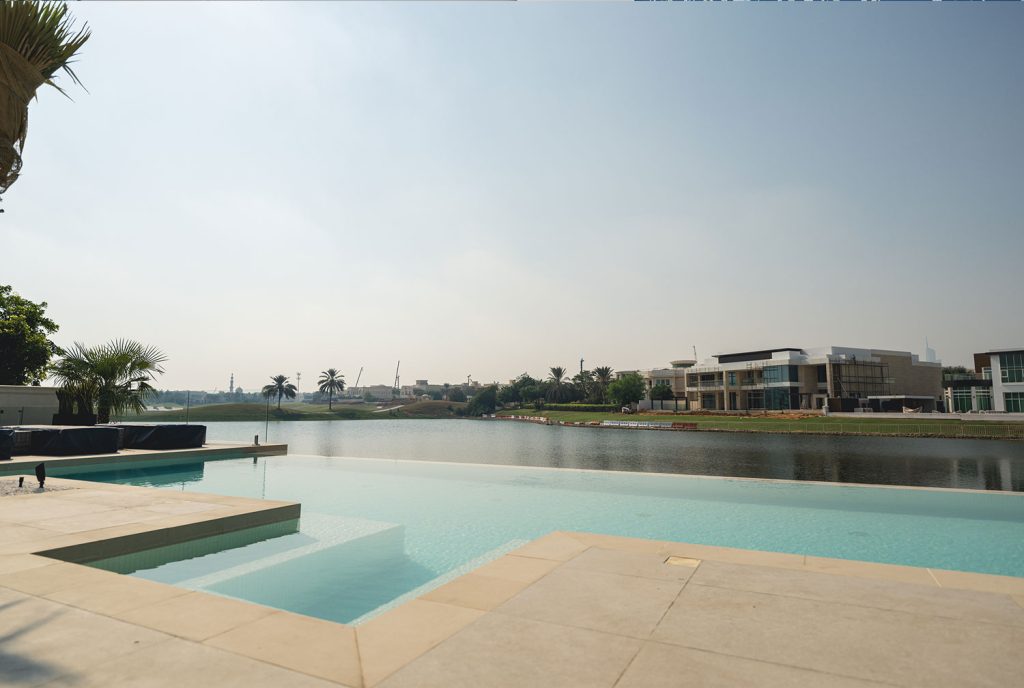
- District One (MBR City): The Mansion Frontier District One remains the gold standard for those who refuse to compromise on space or proximity. Centered around the world’s largest man-made crystal lagoon, this is the epicenter for “Mega-Mansion” development. Lagoon-front plots are the prize here, attracting global billionaires looking to build private family compounds minutes from the city’s financial hubs.
- Dubai Hills Estate: The Developer’s Benchmark Known as the “Green Heart of Dubai,” this community has become the benchmark for luxury “Spec Villas.” Plots in sub-communities like Emerald Hills and The Fairway offer direct golf course views and have become the primary choice for investors building high-end residences for the surging European and Asian expat executive market.
- Jebel Ali Hills: The Strategic Scale Play While the central districts represent the peak of the market, Jebel Ali Hills offers the most compelling ROI for 2026. Offering 10,000 sq. ft.+ G+1 villa plots, it provides the scale required for luxury custom builds at a fraction of the entry cost of the Palm or Emirates Hills. It is the strategic choice for those capturing the next wave of southern expansion near Palm Jebel Ali.
2. The Power of Vision: Architecture & Contractor Excellence
In the 2026 market, “Luxury” is a measurable standard of engineering and art. When building on these high-value plots, the choice of partners determines your exit premium.
- Architecture as an Asset Class: A world-class architect creates “Functional Art.” In 2026, the trend has shifted toward Biophilic Design—integrating nature into the architectural fabric via seamless indoor-outdoor transitions and natural light optimization. A villa with a “Signature Architecture” pedigree can command a significant premium, as buyers seek homes that act as wellness sanctuaries.
- The Precision Contractor: The most expensive mistake an investor can make is choosing a contractor based on the lowest bid. Quality of MEP (Mechanical, Electrical, and Plumbing), waterproofing, and “invisible” finishings protect the villa’s value over decades. Elite contractors are distinguished by their Technical Pedigree—delivering energy-efficient shells that maintain the delicate aesthetics of high-end design.
3. The Math of Development: Why Build Beats Buy
The financial gap between a ready-to-move-in villa and a custom-built project has widened. Managing a private construction project can yield 15–30% more built-in equity upon completion than buying an equivalent ready property. In a market where buyers are increasingly aesthetic-conscious, the “newness” and customization factor are the primary drivers of liquidity.
Executive Insight: The “Invisible” Value When selecting a contractor in 2026, the critical differentiator is Authority Liaison Expertise and Supply Chain Sovereignty. A contractor who can fast-track approvals with Dubai Municipality or Trakhees saves you 4–6 months in holding costs. Furthermore, those with direct ties to European quarries and designers ensure material exclusivity and protect you from local procurement markups. This “Invisible Value” is what separates a standard residence from a legacy asset.
2026 is the year of the Sovereign Investor. Success requires a 360-degree approach that covers data-driven land acquisition and world-class architectural execution. The dirt is the foundation, but the vision of the developer is where the real value lives.